
Colby offers eligible College faculty and staff members the opportunity to participate in the Faculty and Staff in Residence (FIR/SIR) Program.
Faculty and Staff in Residence work directly with the Office of Residential Experience (including professional staff and student leaders) to cultivate a supportive residential culture that reflects the College’s commitment to the liberal arts. They live in campus housing to support daytime, evening, and weekend connections with residents. Assigned to a specific residential neighborhood or group of residence halls, they have a primary role in building meaningful relationships with residents while fostering academic and co-curricular engagement. Through their active presence in and engagement with the residential community, they help bridge academic learning with practical and social experiences.
In addition to supporting the College’s academic mission, Faculty and Staff in Residence promote student well-being and contribute to the goals of the Office of Residential Experience and the Dean of the College Division. They collaborate with the Office of Residential Experience staff to create an environment that supports students’ holistic growth and success. Their three core responsibilities are:
The Faculty and Staff in Residence position is an additional responsibility separate from a faculty or staff member’s full-time role at the College.
We welcome you to review our information below and the available position description linked here.
Additionally, join us for one of our Faculty and Staff in Residence virtual information sessions. Register using the provided links below.
Student interactions with faculty and staff outside of the formal classroom setting is considered an essential characteristic of a vibrant campus’s intellectual life. Pascarella and Terenzini (2005) indicate that faculty-student interactions in residence halls, community centers, and dining facilities provide a bridge between formal academic programs and out-of-classroom learning and development activities for students. Research suggests that students experience benefits from such out-of-class interactions that include increased intellectual orientation, growth in autonomy and independence, increased interpersonal skills, and gains in general maturity and personal development. This opportunity is a chance for faculty and staff to encourage and empower our students to think more about their overall well-being. It is a chance to guide them to become better local and global citizens who want to make a difference in the lives of others. The generosity of time, wisdom, and experience, both personally and intellectually, supports the goals for a more inclusive and equitable residential community.
As a residential college, Colby places great emphasis and value on the learning that occurs outside of the classroom. The Faculty and Staff in Residence Program is designed to support and enrich the living-learning environment within the residence halls and the broader campus community. Through informal and formal interactions, the faculty and staff resident is expected to serve as a visible and engaged member of the residence hall community to foster an inclusive environment in which students can develop and grow academically, intellectually, and personally.
More specifically, the Faculty and Staff in Residence Program aims to:
Faculty and Staff in Residence design and lead programs that spark curiosity and encourage engagement with educational and cultural activities beyond the classroom each semester. These programs may respond to student interests and needs, align with Faculty and Staff expertise, or connect to current events on campus and beyond. Faculty and Staff in Residence may directly lead some programs, while other programs may be developed in collaboration with colleagues, students, or other faculty and staff.
Additionally, Faculty and Staff in Residence support the Community Advisor (CA) staff and encourage other faculty and staff to participate in residential events and programs. By fostering informal interactions, they help enhance students’ personal growth and development while gaining deeper insight into their academic, developmental, and transitional needs—ultimately strengthening engagement inside and outside the classroom.
Examples of formal programming opportunities include, but are not limited to:
Faculty and Staff in Residence serve a unique role, modeling a balanced life that integrates academics, personal pursuits, and meaningful engagement with residents. Informal interactions with students are a cornerstone of this program, fostering connection and community.
Examples of informal engagement opportunities include, but are not limited to:
The following events and activities are key initiatives in which Faculty and Staff in Residence are expected to participate and contribute. As dates are finalized each year, detailed roles and responsibilities will be provided to all Faculty and Staff in Residence.
The benefits provided to Faculty and Staff in Residence are intended to support their role in fostering interactions with residents and building community. These resources should be used to enhance engagement with students. The benefits include:
The initial appointment for a Faculty and Staff in Residence is for one year, with the possibility of renewal each year for up to three consecutive years. Renewal is based on fulfilling all position responsibilities, demonstrating exceptional service, and the outcomes of the annual review process. The appointment may be terminated due to extenuating circumstances or failure to meet position expectations. The Faculty and Staff in Residence role is an “at-will” position, meaning its duties, title, and scope may be adjusted at any time. The Office of Residential Experience, in consultation with the Dean of the College, reserves the right to expand, reduce, amend, merge, or eliminate the role in whole or in part as needed.
The Faculty and Staff in Residence position is an additional responsibility separate from a faculty or staff member’s full-time role at the College. The Annual Review Process is designed as a reflective and developmental opportunity, focusing solely on the Faculty and Staff in Residence experience without being linked to an individual’s full-time job performance evaluation.
Faculty and Staff in Residence will engage in ongoing discussions about their experiences and contributions through regularly scheduled meetings, as well as an annual review at the end of the academic year or term. These discussions will help shape and refine their goals and objectives in alignment with the Faculty and Staff in Residence program, the residential experience framework of the Office of Residential Experience, and the strategic themes of the Dean of the College Division.
As part of this process, Faculty and Staff in Residence will document their programs and initiatives, including a summary of community development efforts, an inventory of events, reflections on intended and achieved goals, and ideas for future engagement. While tracking of initiatives will take place regularly as part of the position, the documentation for the Annual Review Process can be done in a format that best suits their needs. Additionally, the Office of Residential Experience may gather student feedback through surveys or assessments to gain insight into residents’ experiences and the impact of the Faculty and Staff in Residence program. This review process is intended to be a collaborative and formative experience, fostering continuous growth and enhancing the residential community. The process will also serve as the foundation for reappointment/continuation of the role.
Faculty in Residence must be full-time, tenured, or tenure-track members of the College faculty and must have been employed at the College for at least one year. Staff in Residence must be full-time, exempt members of the College staff, and must have at least one year of service.
Faculty and Staff in Residence should be strong advocates for the benefits of a living-learning environment, committed to fostering educational opportunities beyond the traditional academic setting, and willing to dedicate time and energy to enhancing Colby’s residential experience.
Successful candidates must be excellent communicators in both one-on-one and group settings, effective event planners (from conception and promotion to implementation and assessment), and able to collaborate collegially with a diverse range of students, faculty, and staff. They should also be accessible and approachable to students in their residential neighborhood or area. This program is not open to faculty who plan to be away from campus on sabbatical or staff on leave.
Full-time residency in the provided Faculty and Staff in Residence apartment is a core expectation, except during breaks or short-term travel for research, teaching, or professional development. Most responsibilities are concentrated within the nine-month academic year. However, Faculty and Staff in Residence must attend annual training in mid-August and begin planning meetings and programs at least one week before first-year student move-in and orientation. While summer obligations are minimal, Faculty and Staff in Residence retain full access to their residence and campus, including their parking permits, throughout their appointment.
Additionally, all individuals residing with a Faculty or Staff in Residence must complete a background check before moving into the on-campus residence.
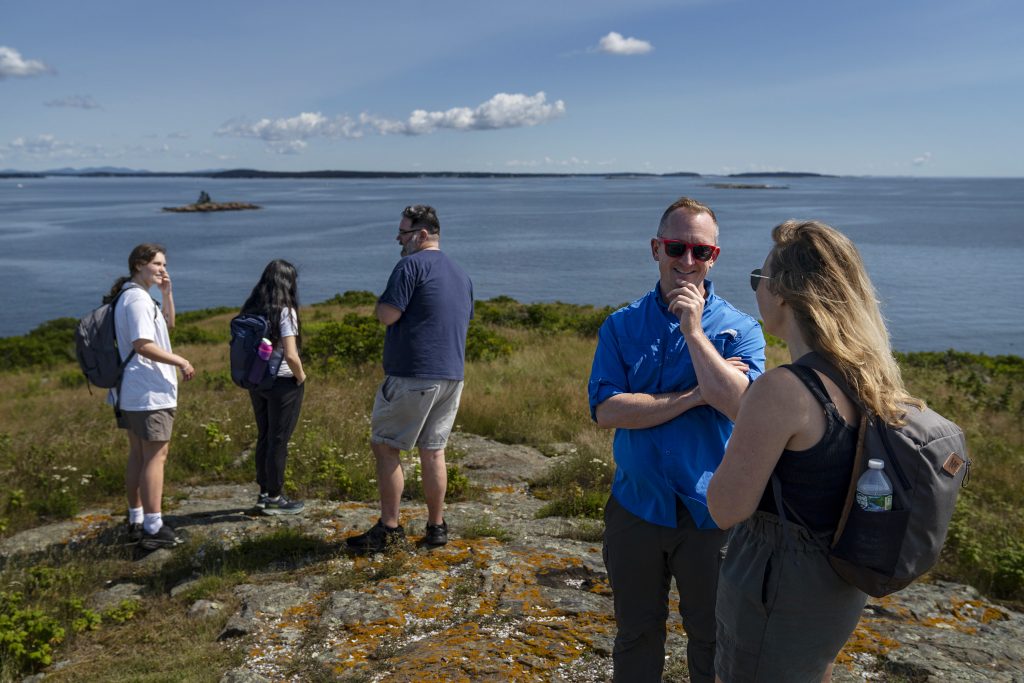
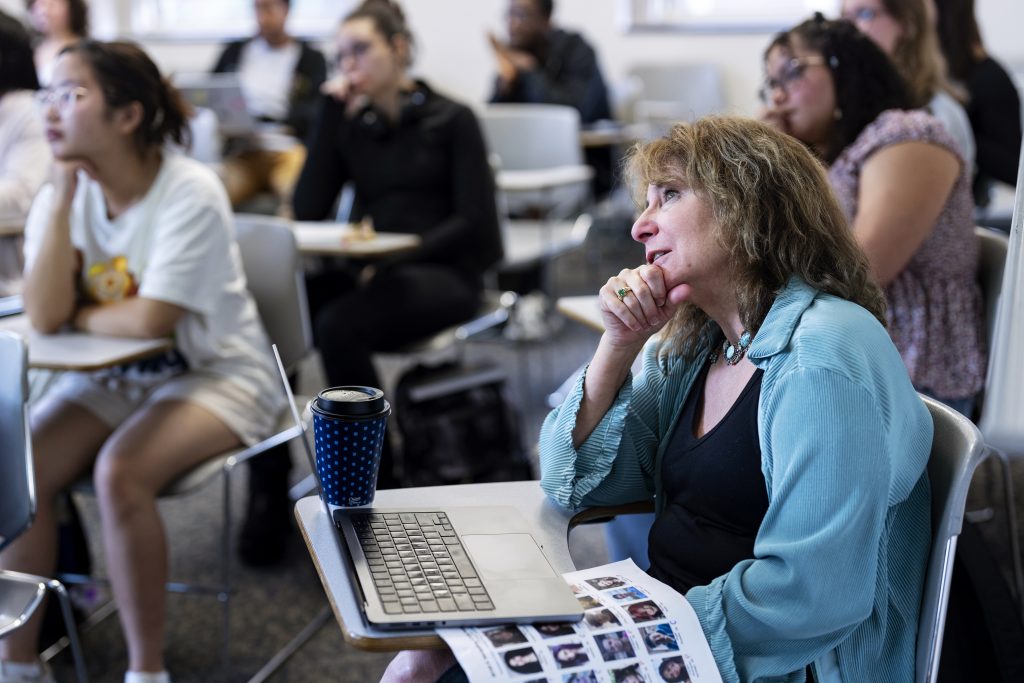
Faculty in Residence must be full-time, tenured, or tenure-track members of the College faculty and must have at least one year of employment at Colby by the start of the position. Faculty who plan to be away from campus on sabbatical are ineligible for this position.
Staff in Residence must be full-time, exempt members of the College staff and must have at least one year of employment at Colby by the start of the position. Staff on leave are ineligible for this position.
Faculty and Staff in Residence are expected to be:
Organize, promote, facilitate, and assess at least three programs or events per semester that spark curiosity and encourage engagement with educational and cultural activities beyond the classroom. These programs may correspond to student interests and needs, align with Faculty and Staff expertise, or connect to current events on campus and beyond.
Informal interactions with students are a cornerstone of this program, fostering connection and community. By fostering informal interactions, they help enhance students’ personal growth and development while deepening their understanding of their academic, developmental, and transitional needs—ultimately strengthening engagement inside and outside the classroom. Informal engagement opportunities include regular dinners at college dining facilities with residents, hosting study breaks, attending campus-wide programs with residents, conversations and meetings in dining areas, events, and one-on-one conversations.
Support CA staff and encourage other faculty and staff to participate in residential events and programs. Attend at least one CA-led program each month.
Oversee an assigned budget and track purchases related to Faculty and Staff in Residence initiatives.
Participate in Faculty and Staff in Residence training and onboarding. Training will take place in August, and additional training may be offered before or at the start of the Spring semester.
Tentative dates for fall training are August 18-19, 2026.
Support move-in days (including assigned shifts and locations) and facilitate first-year orientation activities, such as first-class seminars.
At the start of each semester, send a welcome letter or newsletter that introduces you, your academic and professional expertise, personal interests and hobbies, office hours, preferred methods of contact, and program ideas.
Regularly track programming and community engagement opportunities using designated resources. Support in evaluating the overall program by submitting an annual summary of activities, events, and initiatives.
Participate in regularly scheduled Faculty and Staff in Residence team meetings with the Office of Residential Experience. Attend and participate in at least one Community Advisor Staff meeting each month to stay informed about the residential community’s structure and connect with team members. Attend building-wide meetings where necessary and appropriate to support the residential community.
Help maintain and enhance the Dean of the College and the Office of Residential Experience traditions. These include support during the end of the semester Late Night Breakfasts, Doghead shift support, and Living Learning Community application review as part of housing selection processes.
Work closely with the Office of Residential Experience, Security Office, and the Administrator on Call program to address student conduct and emergencies, as needed. Faculty and Staff in Residence may also be called upon as part of a collaborative team to support students in significant emergencies.
Those supporting specific Living and Learning Communities (e.g., Intercultural Living Learning Community, Civic Engagement Living Learning Community) may have responsibilities that align with both general Faculty and Staff in Residence duties and the specific needs of their assigned program.
The following events and activities are key initiatives in which Faculty and Staff in Residence are expected to participate. As dates are finalized each year, detailed roles and responsibilities will be provided to all Faculty and Staff in Residence.
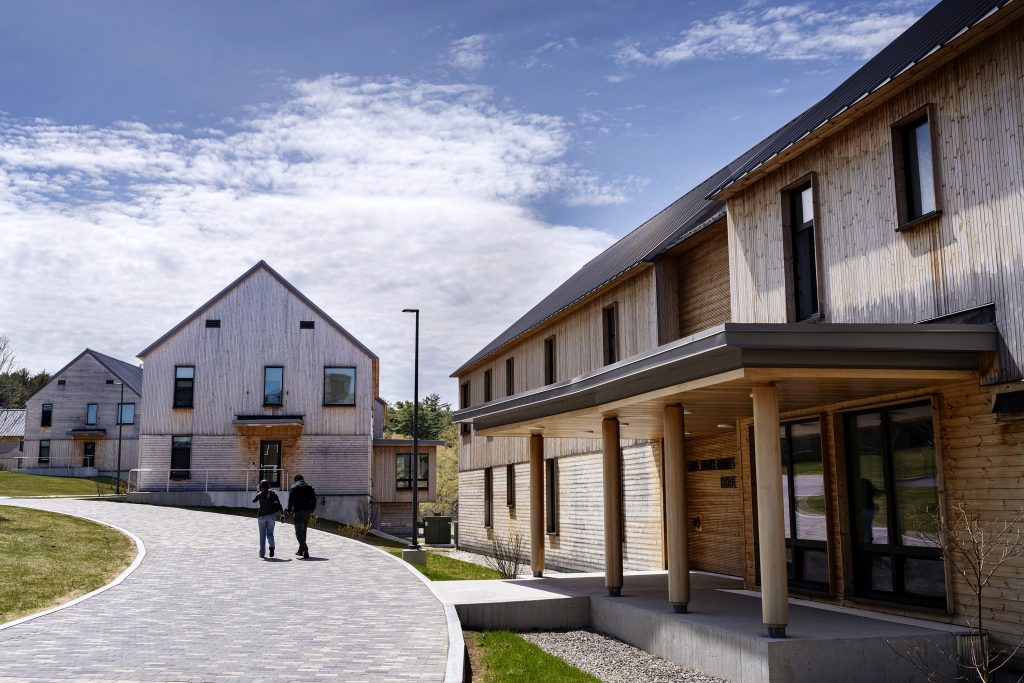
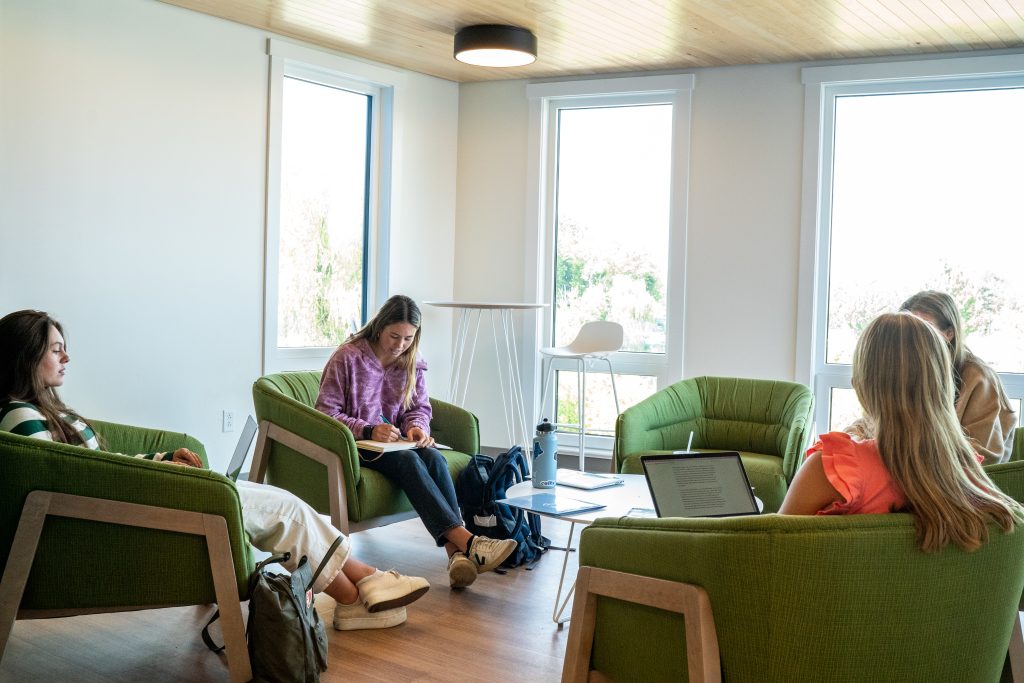
The benefits provided to Faculty and Staff in Residence are intended to support their role in fostering interactions with residents and building community. These resources should be used to enhance engagement with students. Benefits include:
An unfurnished apartment with utilities included. Apartment size, amenities, and accessibility features (such as first-floor access, accessible restrooms, and doorway thresholds) vary by location and availability. Moving expenses and liability insurance for personal property are not covered by the College.
Access to a meal plan at Colby dining facilities, plus a declining balance of 50 swipes per semester for a partner, spouse, or children (summer dining not included).
Eligibility for one reserved parking space (if needed) in an associated lot, with the option to request a second general parking permit if necessary.
Permission to have one pet—either a dog (40 lb. limit), a cat, or fish (up to a 10-gallon tank). Any damages caused by the pet are the responsibility of the Faculty and Staff in Residence.
The initial appointment for a Faculty and Staff in Residence is for one year, with the possibility of renewal each year for up to 3 consecutive years. Renewal is based on fulfilling all position responsibilities, demonstrating exceptional service, and the outcomes of the annual review process. The appointment may be terminated due to extenuating circumstances, breach of residency agreement, or failure to meet position expectations. Faculty and Staff in Residence will be required to sign the Colby College Live-In Residency and License Agreement with acceptance of position offer. The Faculty and Staff in Residence role is an “at-will” position, meaning its duties, title, and scope may be adjusted at any time. The Office of Residential Experience, in consultation with the Dean of the College, reserves the right to expand, reduce, amend, merge, or eliminate the role in whole or in part as needed.
The Annual Review Process is designed as a reflective and developmental opportunity, focusing solely on the Faculty and Staff in Residence experience. This process is separate and not linked to an individual’s full-time job performance evaluation.
Faculty and Staff in Residence will engage in ongoing discussions about their experiences and contributions through regularly scheduled meetings and an annual review at the end of the academic year or term. These discussions will help shape and refine their goals and objectives in alignment with the Faculty and Staff in Residence program, the residential experience framework of the Office of Residential Experience, and the strategic themes of the Dean of the College Division.
As part of this process, Faculty and Staff in Residence will document their programs and initiatives, including a summary of community development efforts, an inventory of events, reflections on intended and achieved goals, and ideas for future engagement. While tracking of initiatives will take place regularly as part of the position, the documentation for the Annual Review Process can be done in a format that best suits their needs. Additionally, the Office of Residential Experience may gather student feedback through surveys or assessments to gain insight into residents’ experiences with the Faculty and Staff in Residence program and the impact of individual Faculty and Staff in Residence presence and initiatives. This review process is intended to be a collaborative and formative experience that fosters continuous growth and enhances the residential community. The process will also serve as the foundation for reappointment/continuation of the role.
The Faculty/Staff in Residence application process consists of:
All application materials, including the reference form, must be submitted to the Office of Residential Experience using the designated application form by 11:59PM on Sunday, March 29, 2026.
A selection committee will review applications, and finalists will be invited for an interview. Interviews are expected to take place between April 6 and April 17, 2026.
Final decisions are expected to be announced in May 2026. Move-in for this position is anticipated for early August 2026.
We seek a diverse group of full-time, continuing faculty who will work collaboratively with our residential staff to create thought-provoking, interactive, and educational environments in which students can live, work, and learn together. If you are interested in joining the Faculty-in-Residence (FIR) Program, please submit a CV and letter of application to the FIR selection committee by Monday, April 18 , 2022. If you are partnered/married and your partner/spouse plans to live in residence with you, please have them submit a CV/resume. Partners/spouses do not need to complete a separate cover letter addressing the below application questions.
Choose one of the following to answer: